Penny Lane Labradors
Welcome To Penny Lane Labradors

MEET OUR FAMILY
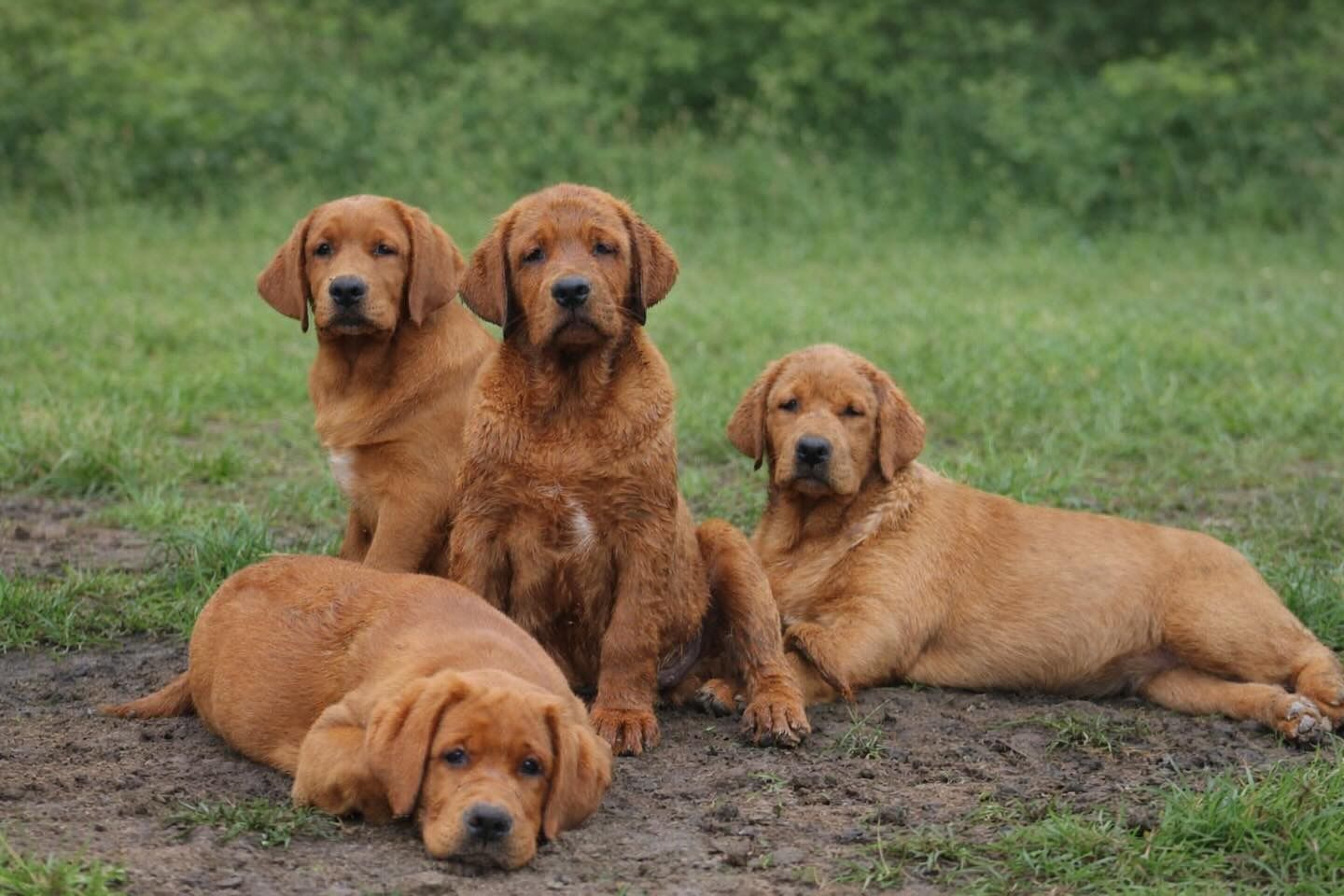
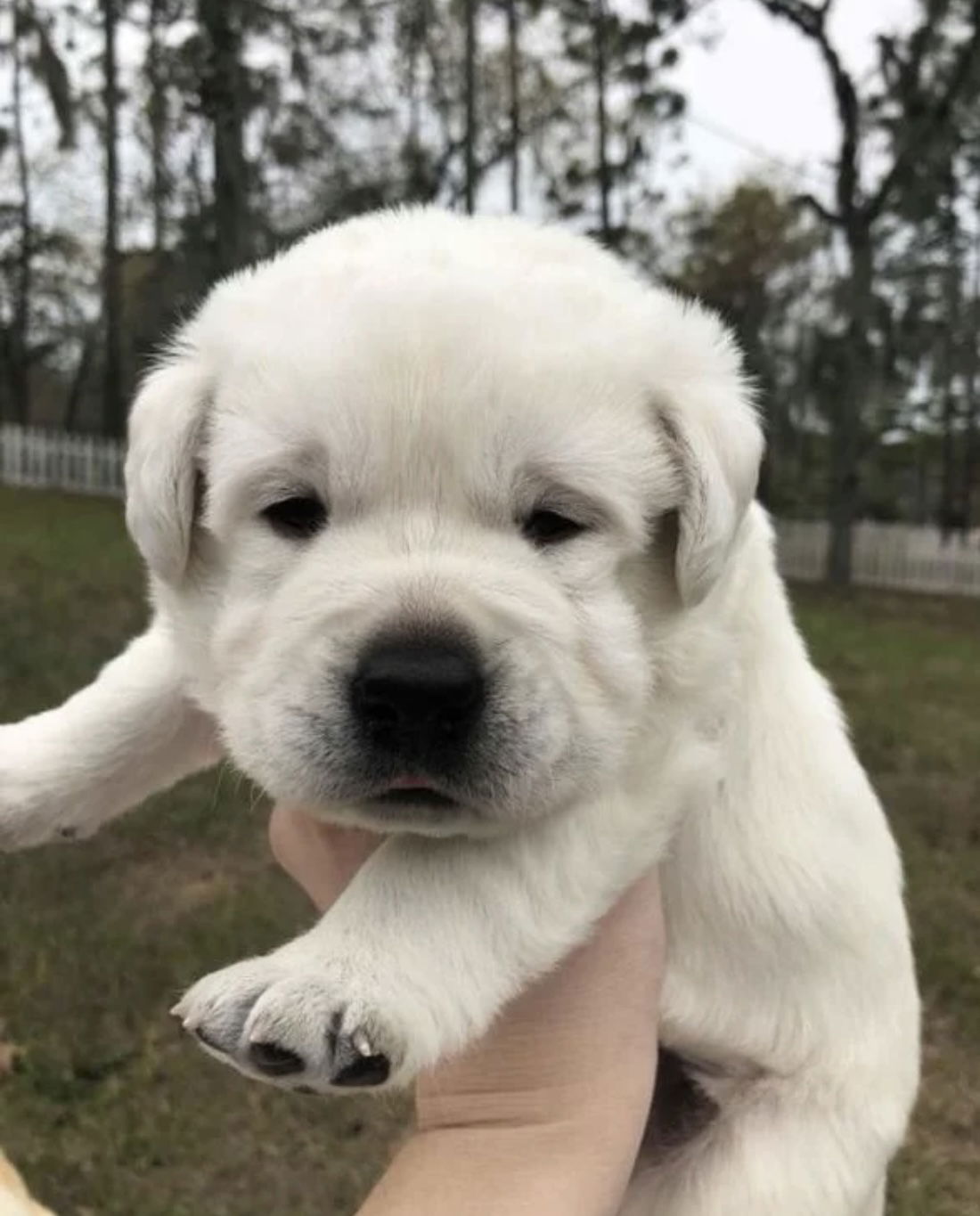
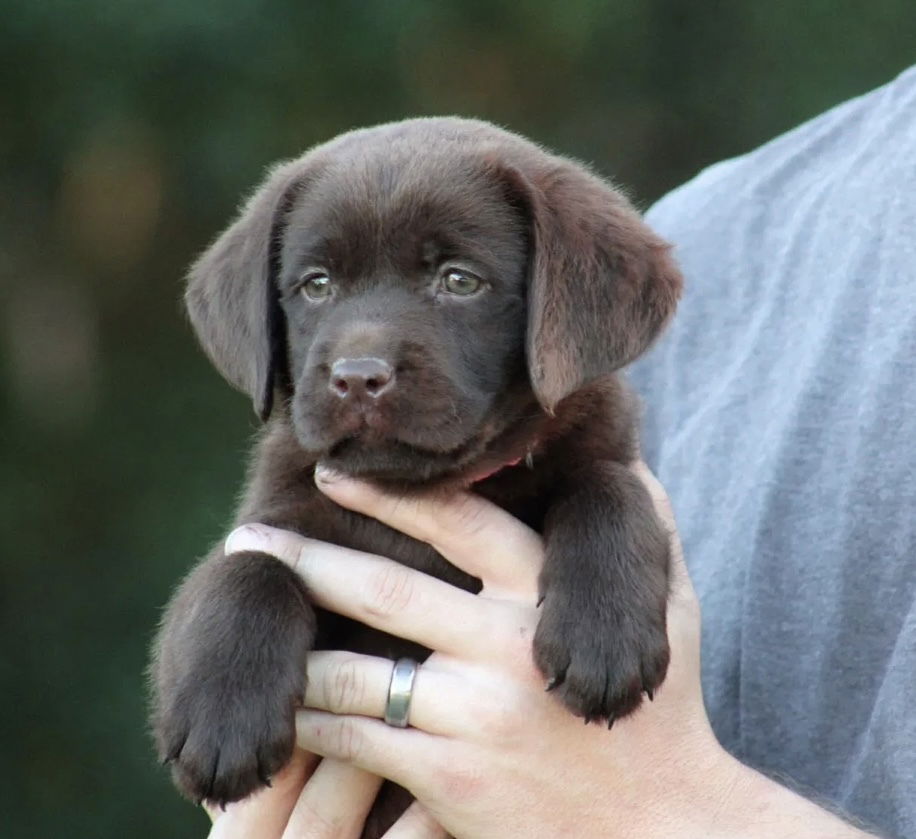
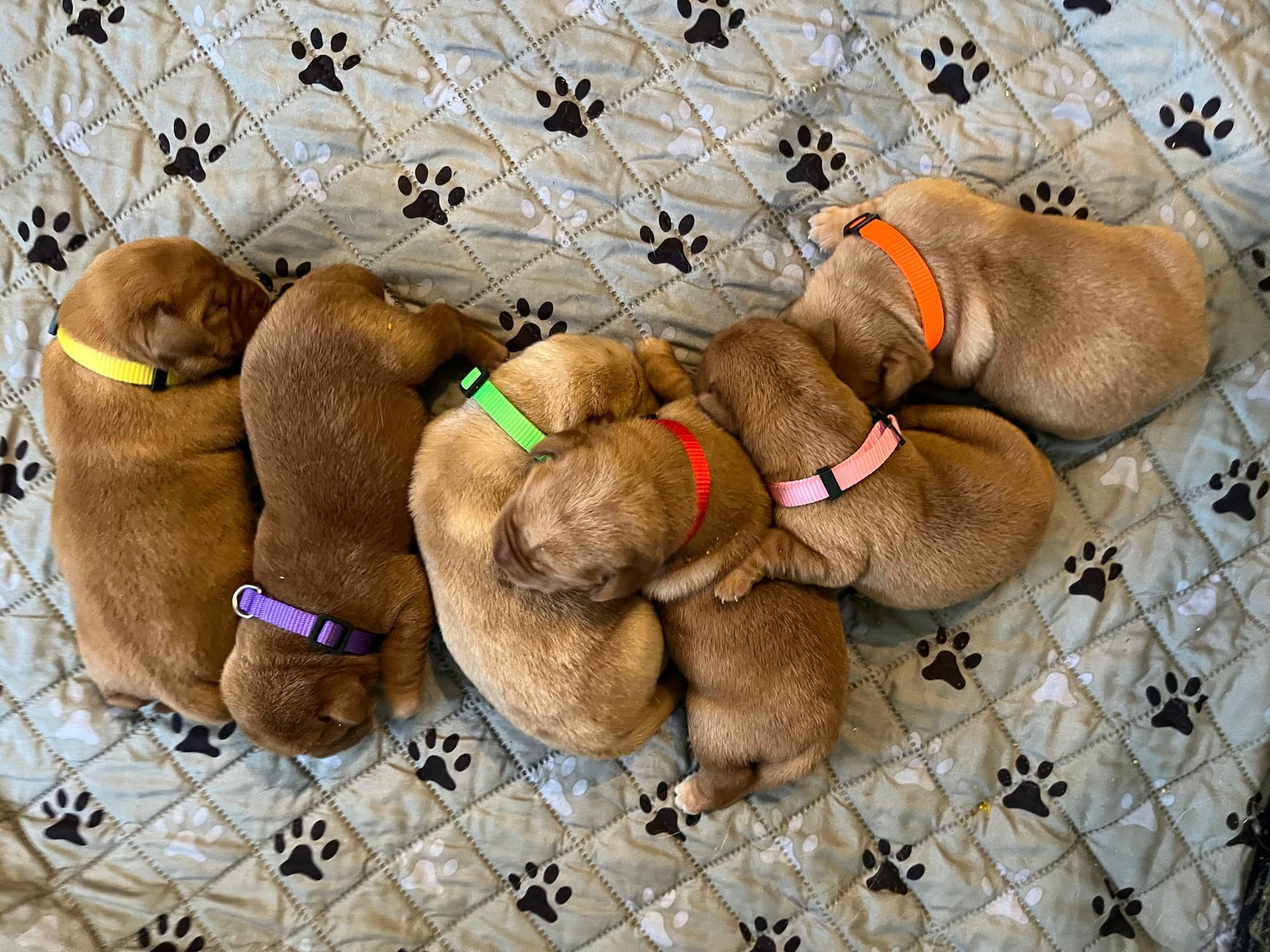
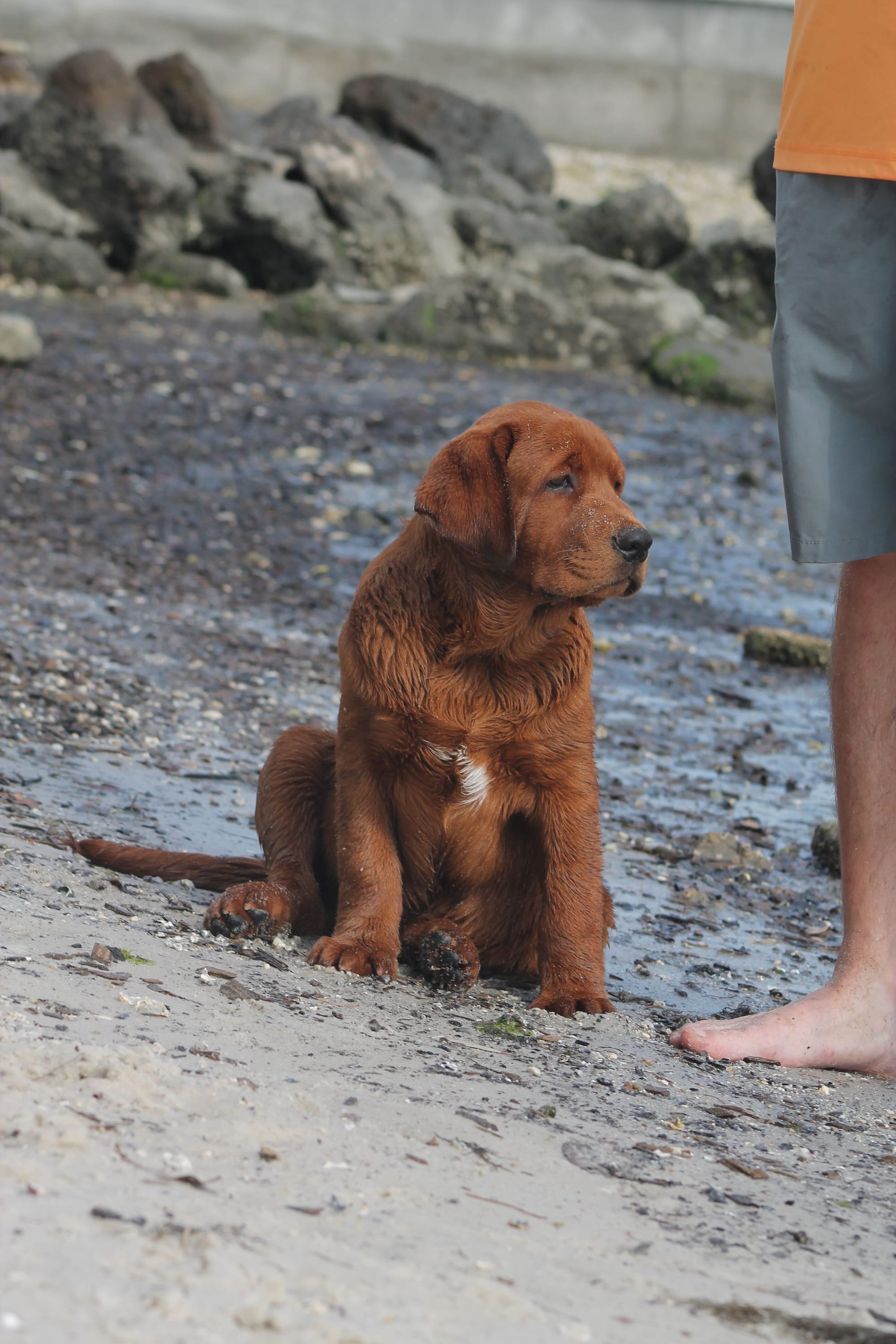
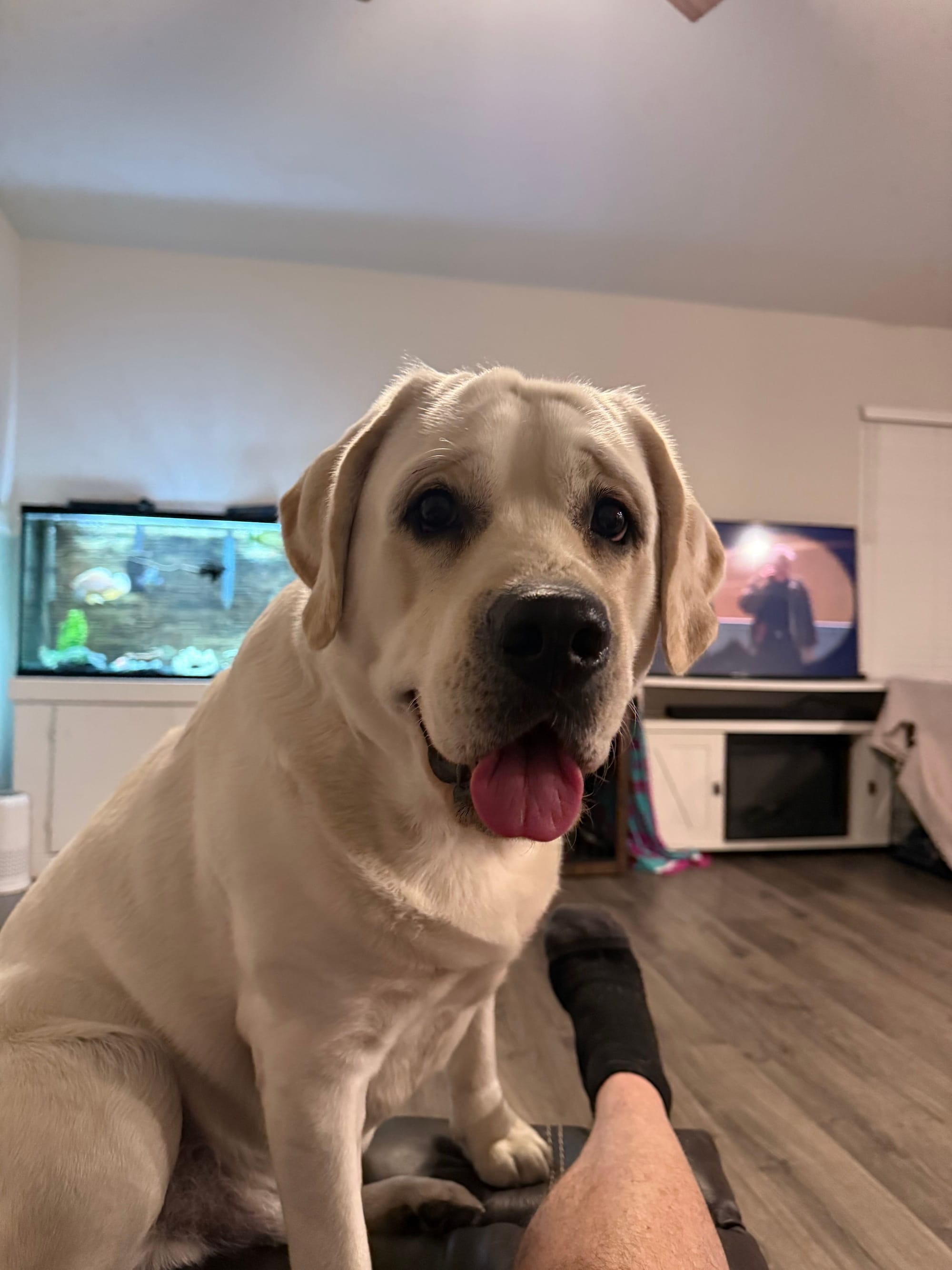
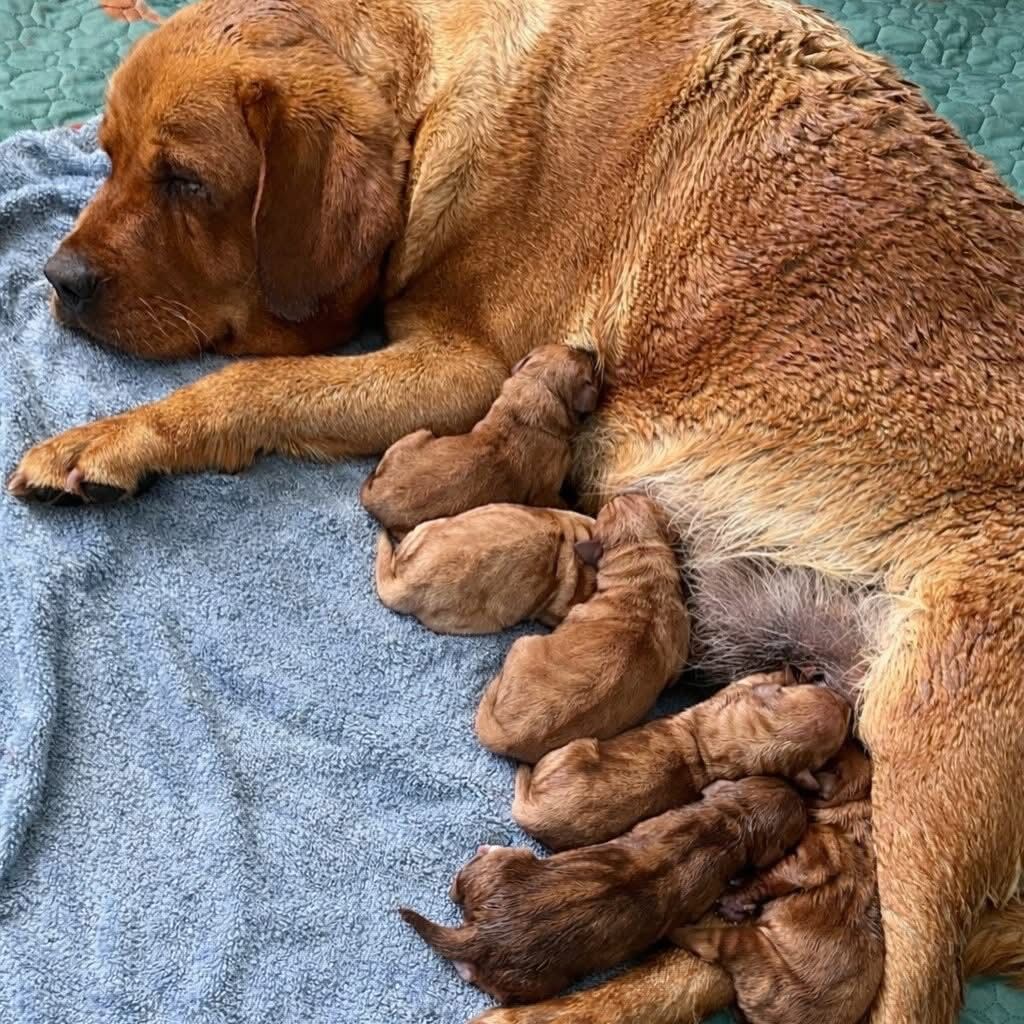
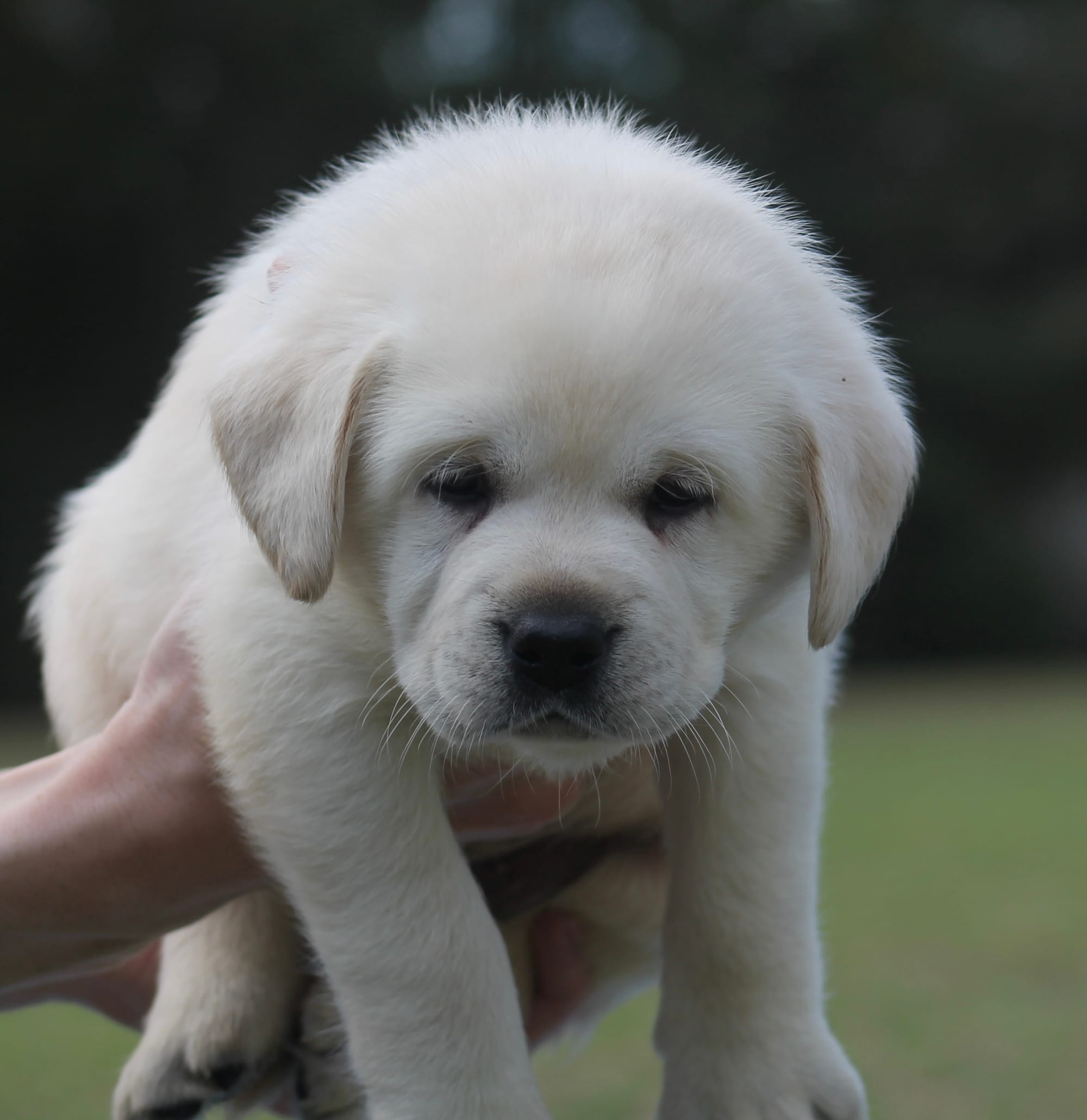
Hey! Thanks for stopping by and welcome to Penny Lane Labradors. We’re a Coast Guard family raising Labradors on a small farm in the heart of Florida’s horse country, just a short drive from Disney World. This is where our children grow up alongside our dogs, and where we have the joy of welcoming each new litter into the world. My love for Labradors began with Gracie, my family’s beloved Lab, when I was seven years old. My parents raised Labradors, so I grew up learning about the breed and experiencing everything that comes with raising puppies: the excitement of a new litter, the long days of caring for them, and the lasting responsibility we have to the dogs and families who count on us. Those early years shaped the way I approach breeding today. When my husband and I married, he quickly caught the crazy Lab bug too, and In 2016, we founded Penny Lane Labradors. The name pays homage to The Beatles, one of the best bands of all time, and is also a little play on our family name, Dollar. (Pennies and dollars :))Since then, our knowledge, our breeding program, and our family have grown. Our three children are now part of life with the Labs, helping care for them and giving our puppies the chance to grow up around the sounds and rhythms of a busy family home. We raise bench bred Labradors, often called “English” Labradors, which really just means Labradors that are bred to breed standard. We love their beautiful structure, gentle expressions, and the steady, affectionate temperament that makes a Labrador such a wonderful companion. In our own little corner of the world, we’re trying to do our part to better the breed. We strive to breed to the Labrador standard and uphold the integrity of this amazing breed we know and love, with thoughtful attention to health, temperament, and conformation in every generation. That purpose is especially close to my heart with fox red Labradors. I believe there is room to improve health, temperament, and conformation among the reds, and I’m passionate about contributing to that work while preserving everything that makes them Labradors first. We’re proud to be an American Kennel Club (AKC) Bred with H.E.A.R.T. breeder. Our puppies are AKC registered, and our kennel is regularly inspected. The well-being of our dogs guides our decisions, from the care they receive each day to the pairings we plan. Our health testing includes evaluations of hips, elbows, patellas, eyes, and hearts, including advanced cardiac echocardiograms, as well as comprehensive genetic screening. Testing cannot promise that a dog will never face a health concern, but it helps us make informed choices for the generations to come. Life here takes a holistic approach. We believe in lesser vaccines schedules, wholistic premium foods, supplements to help support their bodies to function the way God intended, and lots of outside time and water play. Our Labs have room to run and explore in the country, plenty of time with our family, and care that considers their physical well-being and happiness. We begin socializing puppies early and enjoy watching their individual personalities emerge. As they grow, we pay attention to each puppy’s confidence, energy, curiosity, and response to new experiences. Getting to know them as individuals helps us guide families toward a match that feels right for both the puppy and the people waiting to love them.
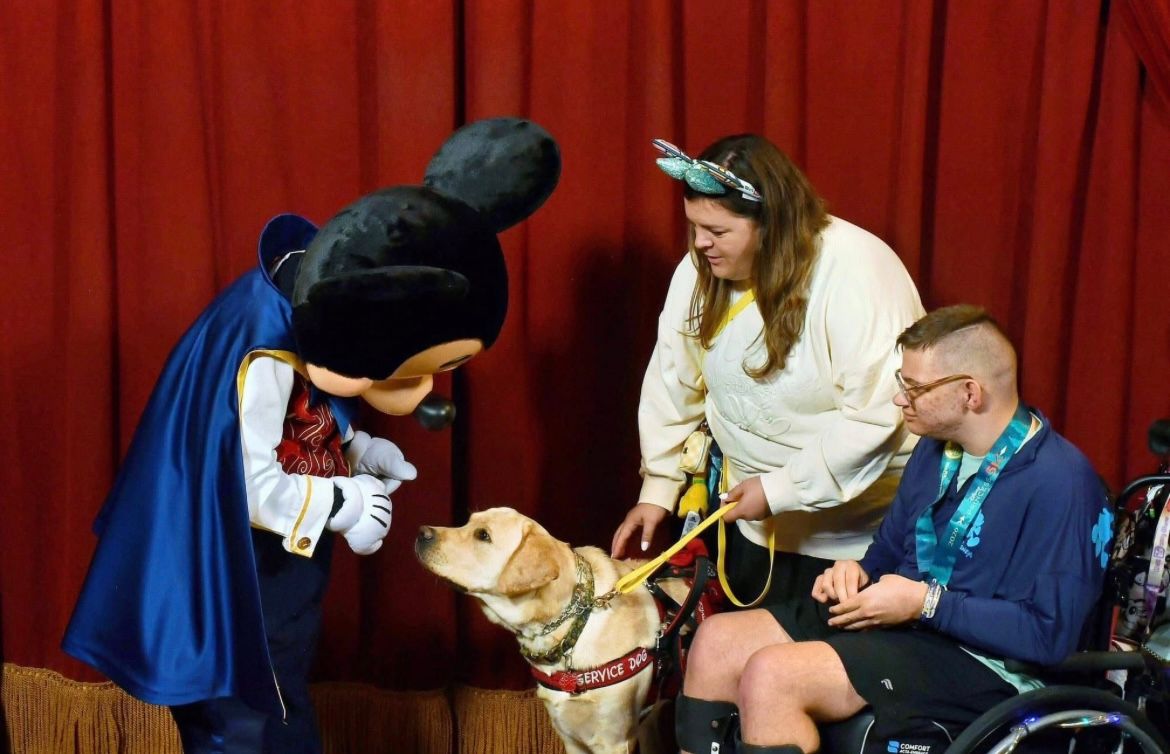
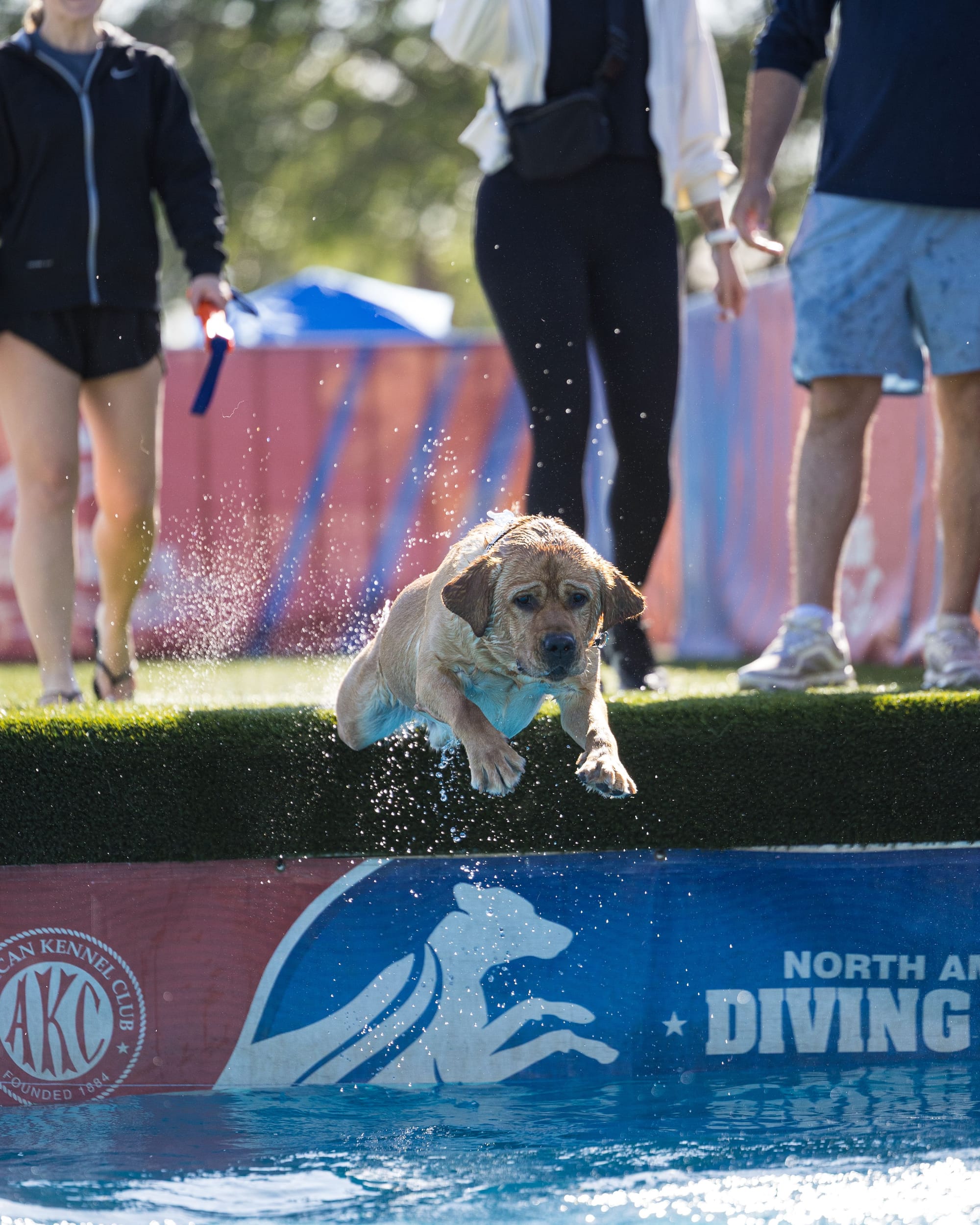
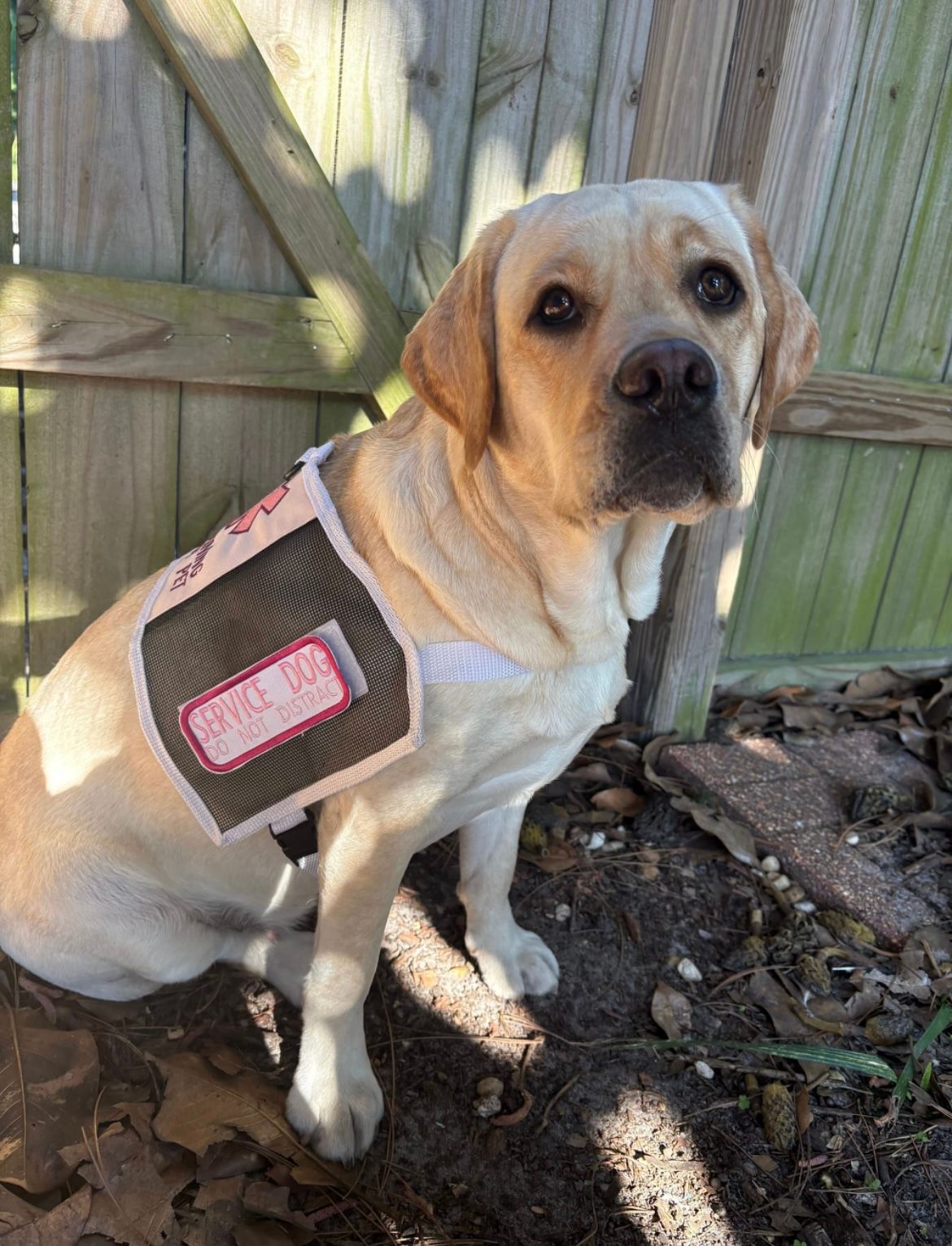
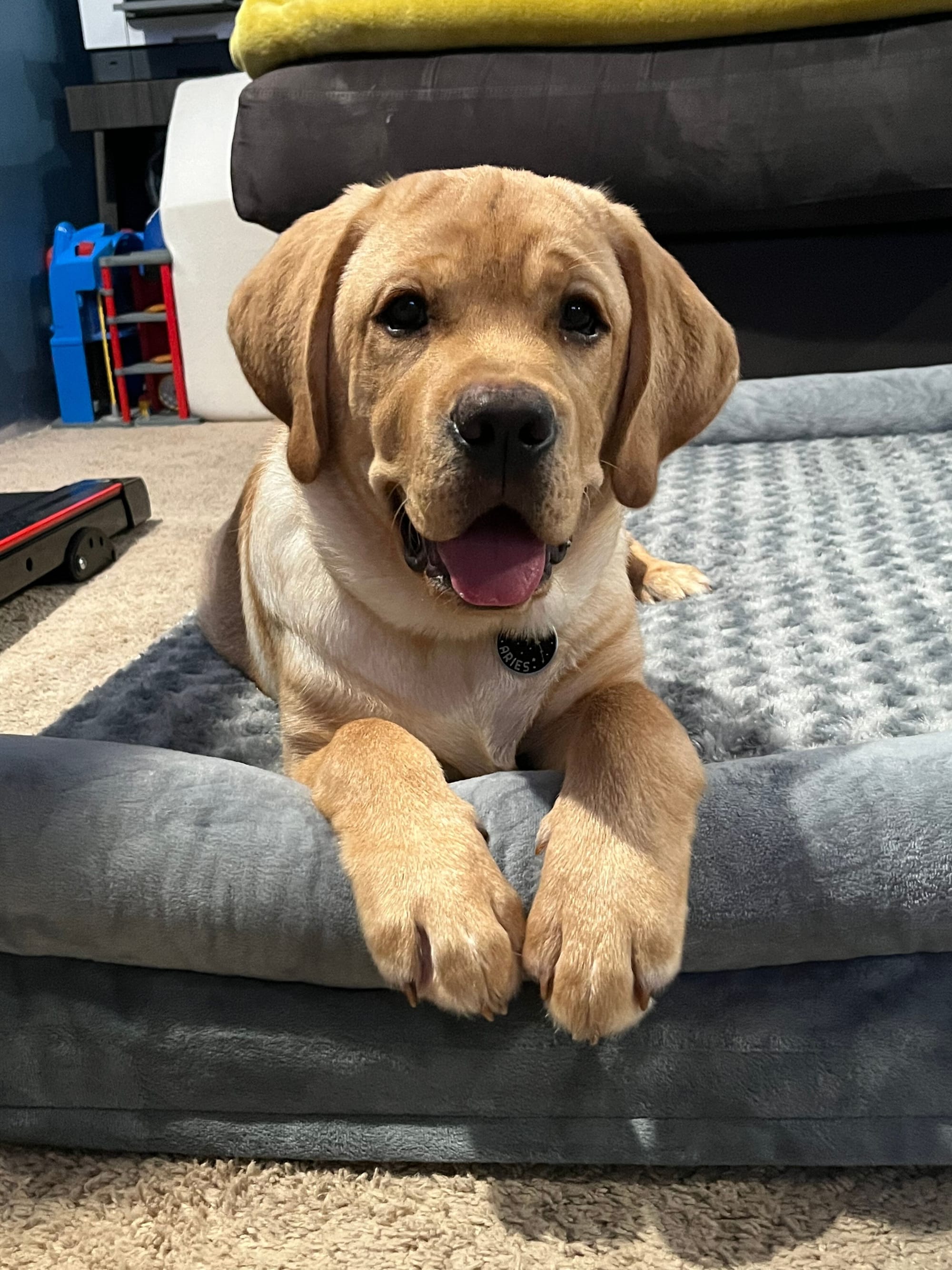
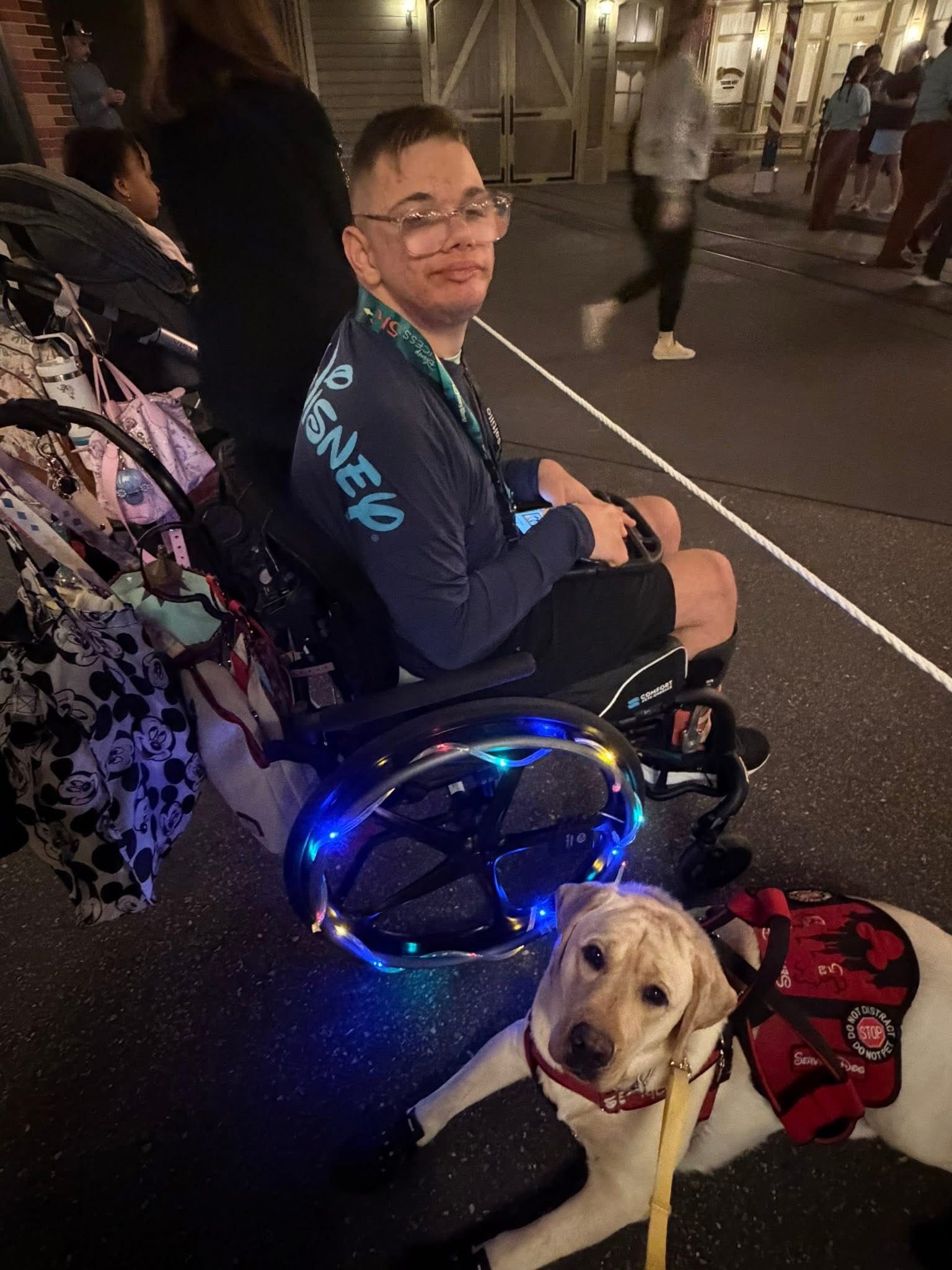
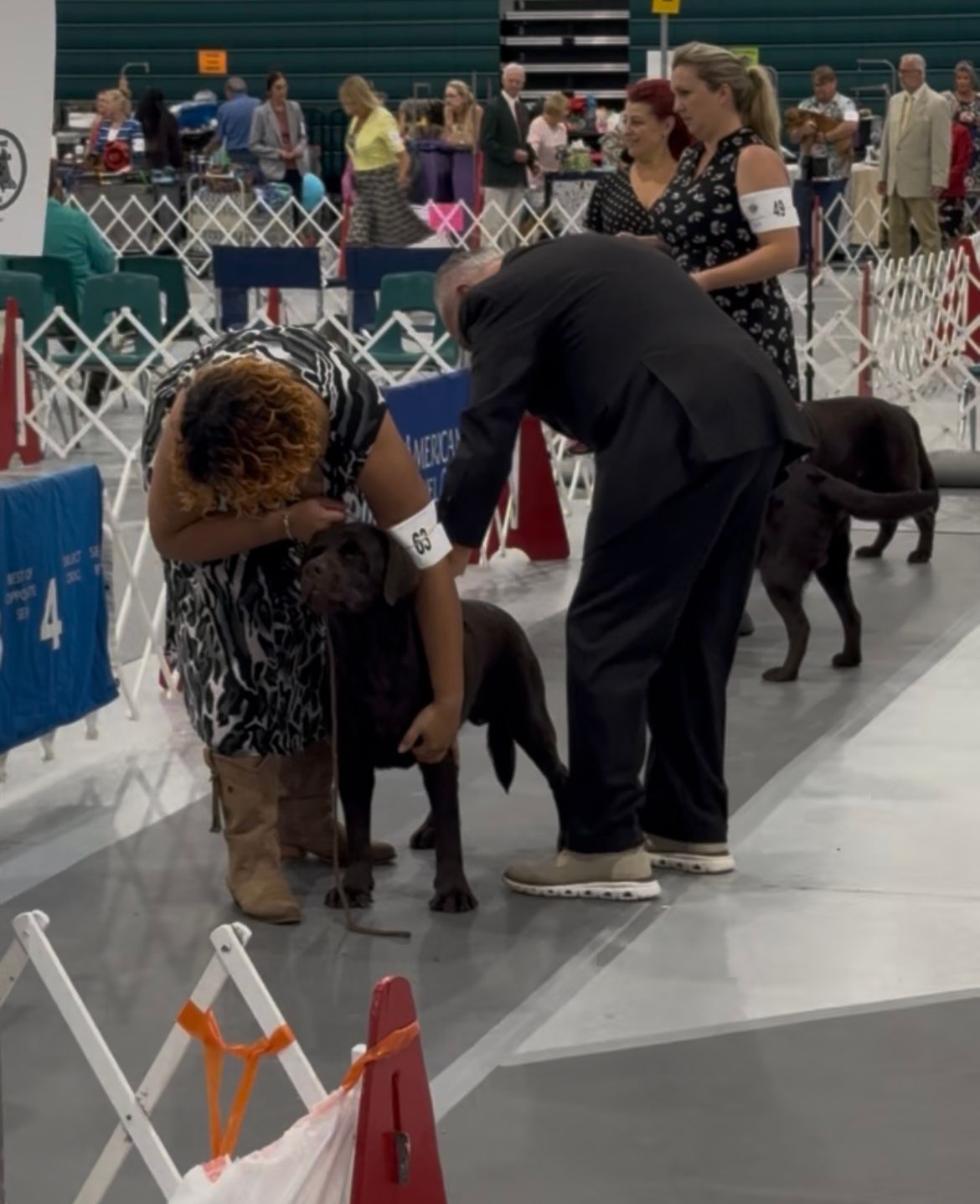
Some of our greatest joys have been seeing Penny Lane dogs go on to serve people as service and therapy dogs in Florida and across the country. Others have done well in the show ring. Many are simply treasured family members: the dogs who grow up with children, join in everyday adventures, and settle in beside their people at the end of the day. Each of those lives matters to us.
Thank you for spending a little time getting to know our family and our Labradors. We’re grateful to share the dogs we love with the families who welcome them home.
The Mitchell Dollars
Some of our greatest joys have been seeing Penny Lane dogs go on to serve people as service and therapy dogs in Florida and across the country. Others have done well in the show ring. Many are simply treasured family members: the dogs who grow up with children, join in everyday adventures, and settle in beside their people at the end of the day. Each of those lives matters to us.
Thank you for spending a little time getting to know our family and our Labradors. We’re grateful to share the dogs we love with the families who welcome them home.
The Mitchell Dollars
WE BRING LOVE INTO THE WORLD
Puppy Love







Health Testing at Penny Lane Labradors
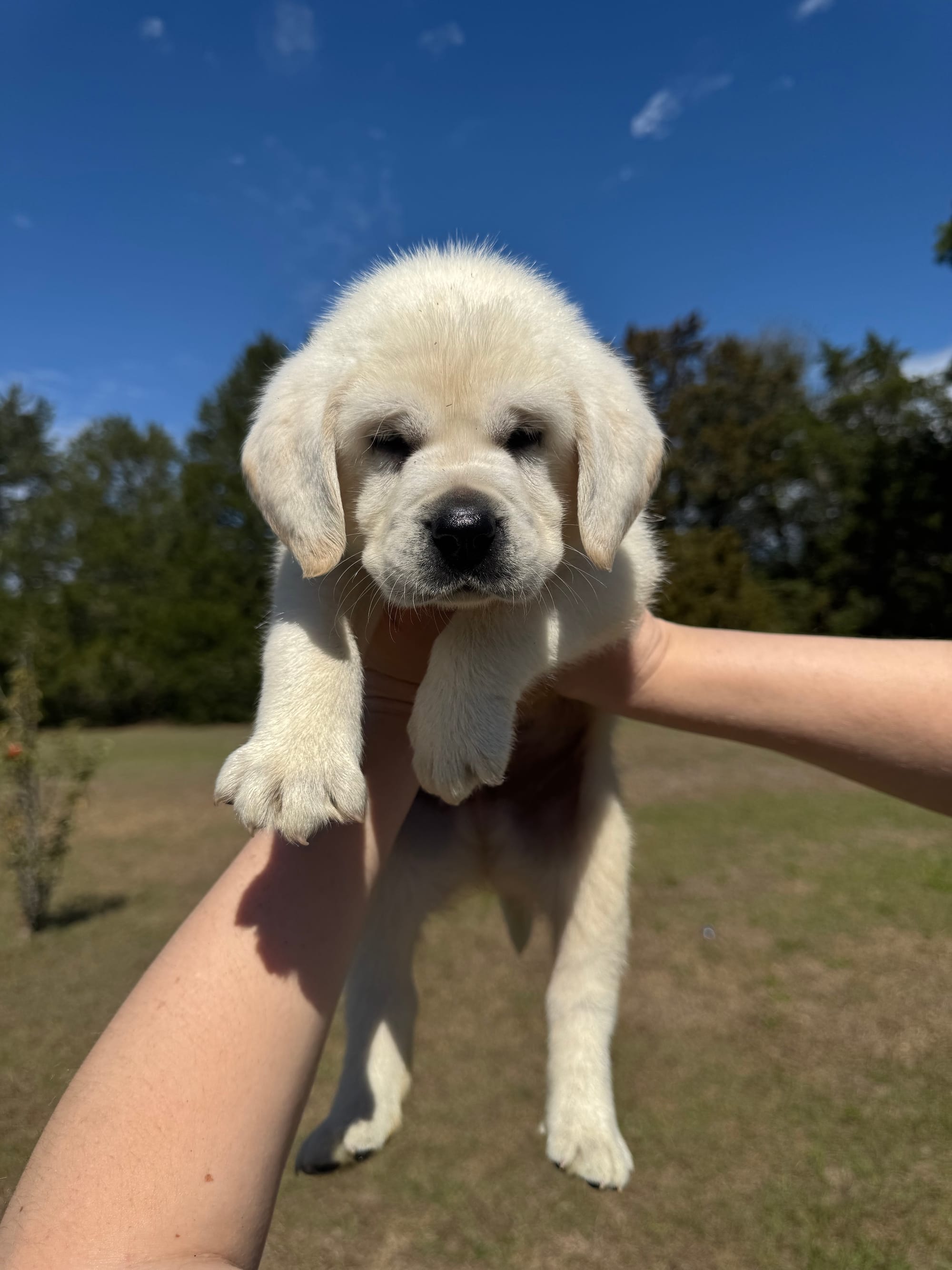
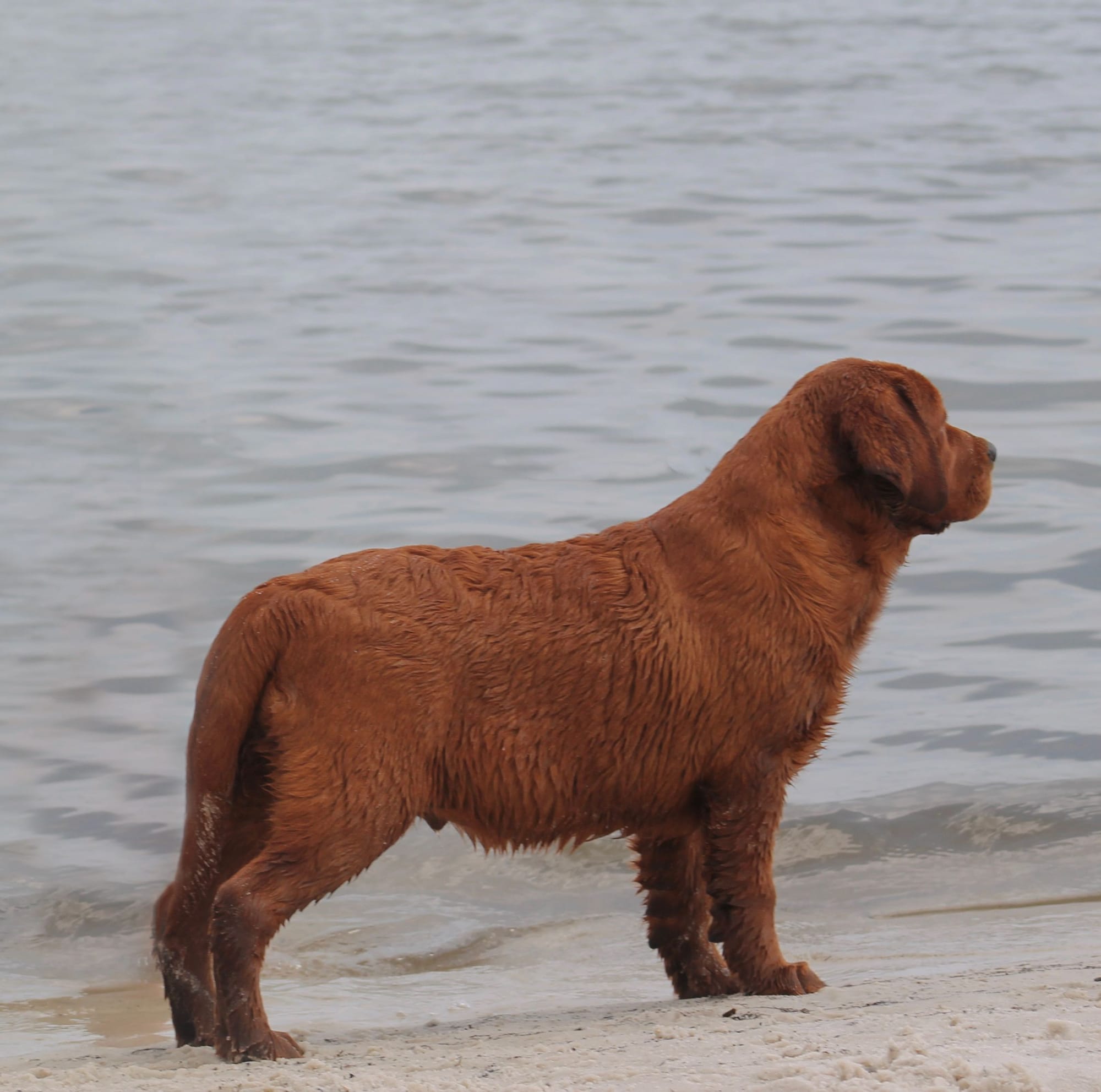
At Penny Lane Labradors, responsible breeding starts with health. Our puppies are the result of generations of careful breeding, extensive health testing, thoughtful genetic selection, and a commitment to preserving the Labrador Retriever we love. We don't believe one test can tell you everything about a dog's health which is why our breeding dogs undergo multiple forms of health screening, including orthopedic evaluations, cardiac examinations, professional eye examinations, patella evaluations, and comprehensive genetic testing. Our goal is simple: to give every puppy the healthiest possible start and use as much information as possible when making responsible breeding decisions. We can never promise a puppy will never have a health issue. No breeder can. We can promise that we do everything we can to give our puppies the best start and the best opportunity for a long, healthy life.
🏆 CHIC Numbers
-Our Commitment to Breed-Specific Health Testing-
We have recently begun incorporating CHIC certification more extensively into our breeding program and are actively working toward having every eligible Penny Lane breeding dog complete the appropriate breed-specific testing and receive a CHIC number. CHIC stands for Canine Health Information Center. It was created by the Orthopedic Foundation for Animals (OFA) in partnership with participating breed parent clubs.CHIC establishes breed-specific health-testing protocols and provides a centralized database where qualifying health results can be made publicly available. Many of our dogs already have CHIC numbers, and we are continuing to work toward having every eligible dog complete the appropriate testing. What Does a CHIC Number Mean? A CHIC number means that a dog has completed the health-testing reccomendations established for its breed and that the results have been made publicly available through the OFA database. Breed-specific CHIC requirements include:
🦴 Hips & Elbows
Our breeding dogs also receive hip and elbow radiographs (X-rays) submitted to OFA for evaluation.For dogs old enough for permanent certification, OFA radiographs are evaluated by three independently selected, board-certified veterinary radiologists, taking the dog's breed, sex, and age into consideration.Why It MattersLabradors are active, athletic dogs, and healthy joints are important for running, swimming, playing, working, and everyday life.Hip and elbow dysplasia can affect comfort, mobility, and quality of life. These results help us make more informed breeding decisions and evaluate future pairings.
❤️ Cardiac Examination
Our breeding dogs receive cardiac screening by our veterinarian before being considered for breeding.OFA maintains both congenital and advanced cardiac databases. Advanced cardiac examinations are performed by a board-certified veterinary cardiologist, while congenital examinations may be completed by a veterinarian, specialist, or cardiologist depending on the examiner's qualifications.We currently perform basic cardiac evaluations and have also begun incorporating more advanced cardiac examinations, including echocardiograms, into our breeding program.The Labrador Retriever Club specifically recommends cardiac screening, and for males being used at stud, recommends advanced cardiac evaluation including an echocardiogram.Cardiac health is an important part of evaluating the overall health of our breeding dogs.
👁️ Professional Eye Examination
Our breeding dogs receive professional eye examinations by a board-certified veterinary ophthalmologist.Some inherited eye conditions cannot be identified through DNA testing alone. A professional ophthalmic examination allows a specialist to physically evaluate the eyes for inherited and other abnormalities.These examinations give us another important piece of information when making responsible breeding decisions.
🦵 Patella / Knee Evaluation
Our breeding dogs also receive a patella, or kneecap, examination through our veterinarian. Patellar luxation occurs when the kneecap moves outside of its normal position.Patella evaluations give us another important piece of information when making responsible breeding decisions. OFA maintains a Patellar Luxation database and accepts examinations for certification.
🧬 Comprehensive Genetic Testing Through Embark
All of our breeding dogs are DNA tested through Embark, providing comprehensive genetic screening for 270+ known genetic health risks, along with breed identification, ancestry, genetic diversity, physical traits, and other genetic information.Embark's current Breed + Health testing screens for more than 270 genetic health conditions across more than 16 areas of canine health. The test also provides information about physical traits, ancestry, genetic diversity, and other genetic characteristics.Embark's panel covers inherited conditions affecting numerous areas of canine health, including the eyes, heart, brain and spinal cord, muscles, blood, immune system, kidneys, liver, skin, skeletal system, and more.Understanding Genetic ResultsClear: No copy of the tested variant was detected.Carrier: One copy of a recessive variant was detected. Carriers are generally healthy but can pass the variant to their offspring.At Risk / Affected: A genetic result indicates an increased risk or, for certain recessive conditions, two copies of a disease-associated variant were detected.A carrier result does not automatically mean a dog should be removed from a breeding program. Instead, DNA testing allows breeders to make informed pairings that avoid producing affected puppies.Genetic testing is one tool we use alongside physical examinations, radiographs, veterinary evaluations, pedigrees, and other health information.Complete Embark Genetic Health Testing PanelOur breeding dogs are tested through Embark's comprehensive Breed + Health DNA Test.Embark currently screens for 270+ genetic health conditions across more than 16 areas of canine health. Every dog is screened across the available panel, not simply for conditions associated with that dog's breed.This gives us a broader picture of our dogs' genetic health and helps us make informed breeding decisions.
Clinical
Hormones
Eyes
Kidney and Bladder
Multisystem
Other Systems
Heart
Muscular
Metabolic
Liver
Neuromuscular
Skeletal
Why We Test in Multiple Ways
Responsible breeding means looking at the whole dog. A DNA test cannot tell us everything about orthopedic health. An X-ray cannot tell us everything about genetics. An eye examination cannot tell us everything about the heart. A cardiac examination cannot tell us everything about the joints.Every test gives us another piece of information that helps us make more informed breeding decisions.
Our Commitment to You
When you bring home a Penny Lane puppy, you are bringing home a puppy whose parents have been evaluated from multiple health perspectives. We don't test because we believe our dogs are perfect. No dog is. We test because we believe responsible breeders should learn as much as possible about the dogs they breed and use that information to make thoughtful decisions for future generations. Every test gives us another piece of information.Every generation gives us another opportunity to make better decisions. And every puppy deserves the benefit of those decisions.
Our Promise
Healthy puppies don't happen by accident. They are the result of generations of thoughtful breeding, extensive health testing, careful genetic planning, excellent veterinary care, and a breeder who is committed to continually learning and improving. That is the standard we strive for at Penny Lane Labradors.
🏆 CHIC Numbers
-Our Commitment to Breed-Specific Health Testing-
We have recently begun incorporating CHIC certification more extensively into our breeding program and are actively working toward having every eligible Penny Lane breeding dog complete the appropriate breed-specific testing and receive a CHIC number. CHIC stands for Canine Health Information Center. It was created by the Orthopedic Foundation for Animals (OFA) in partnership with participating breed parent clubs.CHIC establishes breed-specific health-testing protocols and provides a centralized database where qualifying health results can be made publicly available. Many of our dogs already have CHIC numbers, and we are continuing to work toward having every eligible dog complete the appropriate testing. What Does a CHIC Number Mean? A CHIC number means that a dog has completed the health-testing reccomendations established for its breed and that the results have been made publicly available through the OFA database. Breed-specific CHIC requirements include:
- OFA Hip Evaluation
- OFA Elbow Evaluation
- OFA Eye Examination by a boarded veterinary ophthalmologist
- Exercise-Induced Collapse (EIC) DNA Testing
- D-Locus (Dilute) DNA Testing
🦴 Hips & Elbows
Our breeding dogs also receive hip and elbow radiographs (X-rays) submitted to OFA for evaluation.For dogs old enough for permanent certification, OFA radiographs are evaluated by three independently selected, board-certified veterinary radiologists, taking the dog's breed, sex, and age into consideration.Why It MattersLabradors are active, athletic dogs, and healthy joints are important for running, swimming, playing, working, and everyday life.Hip and elbow dysplasia can affect comfort, mobility, and quality of life. These results help us make more informed breeding decisions and evaluate future pairings.
❤️ Cardiac Examination
Our breeding dogs receive cardiac screening by our veterinarian before being considered for breeding.OFA maintains both congenital and advanced cardiac databases. Advanced cardiac examinations are performed by a board-certified veterinary cardiologist, while congenital examinations may be completed by a veterinarian, specialist, or cardiologist depending on the examiner's qualifications.We currently perform basic cardiac evaluations and have also begun incorporating more advanced cardiac examinations, including echocardiograms, into our breeding program.The Labrador Retriever Club specifically recommends cardiac screening, and for males being used at stud, recommends advanced cardiac evaluation including an echocardiogram.Cardiac health is an important part of evaluating the overall health of our breeding dogs.
👁️ Professional Eye Examination
Our breeding dogs receive professional eye examinations by a board-certified veterinary ophthalmologist.Some inherited eye conditions cannot be identified through DNA testing alone. A professional ophthalmic examination allows a specialist to physically evaluate the eyes for inherited and other abnormalities.These examinations give us another important piece of information when making responsible breeding decisions.
🦵 Patella / Knee Evaluation
Our breeding dogs also receive a patella, or kneecap, examination through our veterinarian. Patellar luxation occurs when the kneecap moves outside of its normal position.Patella evaluations give us another important piece of information when making responsible breeding decisions. OFA maintains a Patellar Luxation database and accepts examinations for certification.
🧬 Comprehensive Genetic Testing Through Embark
All of our breeding dogs are DNA tested through Embark, providing comprehensive genetic screening for 270+ known genetic health risks, along with breed identification, ancestry, genetic diversity, physical traits, and other genetic information.Embark's current Breed + Health testing screens for more than 270 genetic health conditions across more than 16 areas of canine health. The test also provides information about physical traits, ancestry, genetic diversity, and other genetic characteristics.Embark's panel covers inherited conditions affecting numerous areas of canine health, including the eyes, heart, brain and spinal cord, muscles, blood, immune system, kidneys, liver, skin, skeletal system, and more.Understanding Genetic ResultsClear: No copy of the tested variant was detected.Carrier: One copy of a recessive variant was detected. Carriers are generally healthy but can pass the variant to their offspring.At Risk / Affected: A genetic result indicates an increased risk or, for certain recessive conditions, two copies of a disease-associated variant were detected.A carrier result does not automatically mean a dog should be removed from a breeding program. Instead, DNA testing allows breeders to make informed pairings that avoid producing affected puppies.Genetic testing is one tool we use alongside physical examinations, radiographs, veterinary evaluations, pedigrees, and other health information.Complete Embark Genetic Health Testing PanelOur breeding dogs are tested through Embark's comprehensive Breed + Health DNA Test.Embark currently screens for 270+ genetic health conditions across more than 16 areas of canine health. Every dog is screened across the available panel, not simply for conditions associated with that dog's breed.This gives us a broader picture of our dogs' genetic health and helps us make informed breeding decisions.
Clinical
- MDR1 Drug Sensitivity
- Alanine Aminotransferase Activity
- Copper Toxicosis (Attenuating), Labrador Retriever
- P2Y12 Receptor Platelet Disorder
- Factor IX Deficiency, Hemophilia B, Terrier Variant
- Factor IX Deficiency, Hemophilia B, Rhodesian Ridgeback Variant
- Factor VII Deficiency
- Factor VIII Deficiency, Hemophilia A, Boxer Variant
- Factor VIII Deficiency, Hemophilia A, German Shepherd Variant 1
- Factor VIII Deficiency, Hemophilia A, German Shepherd Variant 2
- Thrombopathia, Basset Hound Variant
- Thrombopathia, Landseer Variant
- Thrombopathia, American Eskimo Dog Variant
- Von Willebrand Disease Type III, Terrier Variant
- Von Willebrand Disease Type III, Shetland Sheepdog Variant
- Von Willebrand Disease Type I
- Von Willebrand Disease Type III, Nederlandse Kooikerhondje Variant
- Methemoglobinemia, Pit Bull Terrier Variant
- Factor XI Deficiency
- Canine Leukocyte Adhesion Deficiency Type I
- Canine Leukocyte Adhesion Deficiency Type III
- Congenital Macrothrombocytopenia
- Platelet Factor X Receptor Deficiency / Scott Syndrome
- Prekallikrein Deficiency
- Pyruvate Kinase Deficiency, Basenji Variant
- Pyruvate Kinase Deficiency, Labrador Retriever Variant
- Pyruvate Kinase Deficiency, Pug Variant
- Pyruvate Kinase Deficiency, Beagle Variant
- Pyruvate Kinase Deficiency, Terrier Variant
- Trapped Neutrophil Syndrome
- Ligneous Membranitis
- Bernard-Soulier Syndrome
- Glanzmann's Thrombasthenia Type I
- May-Hegglin Anomaly
- Pyruvate Kinase Deficiency
- Hereditary Spherocytosis
- Canine Cyclic Neutropenia
Hormones
- Congenital Hypothyroidism, Tenterfield Terrier Variant
- Congenital Hypothyroidism with Goiter, French Bulldog Variant
- Congenital Hypothyroidism, Rat, Toy and Hairless Terrier Variant
- Congenital Dyshormonogenic Hypothyroidism with Goiter
- Pituitary Dwarfism
- Proportionate Dwarfism
- Complement 3 Deficiency
- Severe Combined Immunodeficiency, Terrier Variant
- Severe Combined Immunodeficiency, Wetterhoun Variant
- X-linked Severe Combined Immunodeficiency, Basset Hound Variant
- X-linked Severe Combined Immunodeficiency, Corgi Variant
Eyes
- Progressive Retinal Atrophy, rcd1
- Progressive Retinal Atrophy, rcd3
- Progressive Retinal Atrophy, CNGA
- Progressive Retinal Atrophy, prcd
- Progressive Retinal Atrophy, PRA1
- Progressive Retinal Atrophy
- Golden Retriever Progressive Retinal Atrophy 1, GR-PRA1
- Golden Retriever Progressive Retinal Atrophy 2, GR-PRA2
- Congenital Stationary Night Blindness
- Macular Corneal Dystrophy
- Goniodysgenesis and Glaucoma / Pectinate Ligament Dysplasia
- Day Blindness / Cone Degeneration / Achromatopsia, Alaskan Malamute Variant
- Retina Dysplasia and/or Optic Nerve Hypoplasia
- Microphthalmia
- Progressive Retinal Atrophy, IFT122
- Progressive Retinal Atrophy / Bardet-Biedl Syndrome
- Stargardt Disease, Labrador Retriever Variant
- Progressive Retinal Atrophy 5
- Hereditary Cataracts / Early-Onset Cataracts / Juvenile Cataracts
- Collie Eye Anomaly / Choroidal Hypoplasia
- Achromatopsia
- Primary Open Angle Glaucoma
- Primary Lens Luxation
- X-linked Progressive Retinal Atrophy
- Progressive Retinal Atrophy, PRA3
- Canine Multifocal Retinopathy 1
- Canine Multifocal Retinopathy 2
- Canine Multifocal Retinopathy 3
- Congenital Stationary Night Blindness, Briard Variant
- Retina Dysplasia
- Primary Retinal Dysplasia
- Hereditary Cataracts
Kidney and Bladder
- 2,8-Dihydroxyadenine Urolithiasis
- Cystinuria Type I-A, Newfoundland Variant
- Cystinuria Type II-A, Australian Cattle Dog Variant
- Cystinuria Type II-B, Miniature Pinscher Variant
- Hyperuricosuria and Hyperuricemia / Urolithiasis
- Polycystic Kidney Disease
- Primary Hyperoxaluria
- Protein Losing Nephropathy
- X-linked Hereditary Nephropathy
- Autosomal Recessive Hereditary Nephropathy / Familial Nephropathy, Cocker Spaniel Variant
- Autosomal Recessive Hereditary Nephropathy / Familial Nephropathy, English Springer Spaniel Variant
- Fanconi Syndrome
- Diffuse Cystic Renal Dysplasia and Hepatic Fibrosis
- Hereditary Xanthinuria / Xanthinuria Type I
Multisystem
- Primary Ciliary Dyskinesia, CCDC39
- Primary Ciliary Dyskinesia, NME5
- Primary Ciliary Dyskinesia, STK36
- Congenital Keratoconjunctivitis Sicca and Ichthyosiform Dermatosis
- X-linked Ectodermal Dysplasia / Anhidrotic Ectodermal Dysplasia
- Renal Cystadenocarcinoma and Nodular Dermatofibrosis
- Canine Fucosidosis
- Glycogen Storage Disease Type II / Pompe's Disease
- Glycogen Storage Disease Type IA / Von Gierke Disease
- Glycogen Storage Disease Type IA, German Pinscher Variant
- Glycogen Storage Disease Type IIIA
- Glycogen Storage Disease Type VII / Phosphofructokinase Deficiency
- Mucopolysaccharidosis Type IIIA / Sanfilippo Syndrome Type A
- Mucopolysaccharidosis Type VII / Sly Syndrome
- Lagotto Storage Disease
- Neuronal Ceroid Lipofuscinosis 1
- Neuronal Ceroid Lipofuscinosis 2
- Neuronal Ceroid Lipofuscinosis / Cerebellar Ataxia
- Neuronal Ceroid Lipofuscinosis 5, Border Collie Variant
- Neuronal Ceroid Lipofuscinosis 5, Golden Retriever Variant
- Neuronal Ceroid Lipofuscinosis 6
- Neuronal Ceroid Lipofuscinosis 7
- Neuronal Ceroid Lipofuscinosis 8, English Setter Variant
- Neuronal Ceroid Lipofuscinosis 8, Australian Shepherd Variant
- Neuronal Ceroid Lipofuscinosis 8, Saluki Variant
- Neuronal Ceroid Lipofuscinosis 10
- Late-Onset Neuronal Ceroid Lipofuscinosis 12
- GM1 Gangliosidosis, Shiba Inu Variant
- GM1 Gangliosidosis, Alaskan Husky Variant
- GM1 Gangliosidosis, Portuguese Water Dog Variant
- GM2 Gangliosidosis, Poodle Variant
- GM2 Gangliosidosis, Japanese Chin Variant
- Globoid Cell Leukodystrophy / Krabbe Disease
- Mucopolysaccharidosis Type IIIB / Sanfilippo Syndrome Type B
- Congenital Dyserythropoietic Anemia and Polymyopathy
Other Systems
- Autosomal Recessive Amelogenesis Imperfecta / Familial Enamel Hypoplasia, Italian Greyhound Variant
- Autosomal Recessive Amelogenesis Imperfecta / Familial Enamel Hypoplasia, Parson Russell Terrier Variant
- Persistent Mullerian Duct Syndrome
- Deafness and Vestibular Syndrome of Dobermans
- Unilateral Deafness and Vestibular Syndrome
- Shar-Pei Autoinflammatory Disease / Shar-Pei Fever
- Neonatal Interstitial Lung Disease
- Recurrent Inflammatory Pulmonary Disease
- Early-Onset Adult Deafness
- Early Bilateral Deafness
- Progressive Neuronal Abiotrophy / Canine Multiple System Degeneration
- Benign Familial Juvenile Epilepsy / Remitting Focal Epilepsy
- Cerebellar Ataxia / Progressive Early-Onset Cerebellar Ataxia
- Cerebellar Abiotrophy / Neonatal Cerebellar Cortical Degeneration
- Narcolepsy
- Spinocerebellar Ataxia / Late-Onset Ataxia
- Alaskan Husky Encephalopathy / Subacute Necrotizing Encephalomyelopathy
- Alexander Disease
- Cerebellar Hypoplasia
- Spinocerebellar Ataxia with Myokymia and/or Seizures
- Degenerative Myelopathy
- Fetal-Onset Neonatal Neuroaxonal Dystrophy
- Hypomyelination and Tremors
- Shaking Puppy Syndrome / X-linked Generalized Tremor Syndrome
- L-2-Hydroxyglutaricaciduria
- Neonatal Encephalopathy with Seizures
- Alaskan Malamute Polyneuropathy
- Progressive Neuronal Abiotrophy
- Juvenile Laryngeal Paralysis and Polyneuropathy
- Hereditary Sensory Autonomic Neuropathy / Acral Mutilation Syndrome
- Sensory Neuropathy
- Juvenile-Onset Polyneuropathy / Leonberger Polyneuropathy 1
- Juvenile Myoclonic Epilepsy
- Juvenile-Onset Polyneuropathy / Leonberger Polyneuropathy 2
- Spongy Degeneration with Cerebellar Ataxia 1
- Spongy Degeneration with Cerebellar Ataxia 2
- Neuroaxonal Dystrophy
- Neuroaxonal Dystrophy, VPS11
- Exercise-Induced Collapse
- Leukodystrophy
- Spinocerebellar Ataxia, SCN8A
- Hereditary Ataxia, PNPLA8
- Hereditary Cerebellar Ataxia, SELENOP
Heart
- Dilated Cardiomyopathy, DCM1
- Dilated Cardiomyopathy, DCM2
- Long QT Syndrome
- Cardiomyopathy and Juvenile Mortality
- Dilated Cardiomyopathy, DCM
Muscular
- Muscular Dystrophy, Cavalier King Charles Spaniel Variant
- Muscular Dystrophy, Golden Retriever Variant
- Limb Girdle Muscular Dystrophy
- Ullrich-like Congenital Muscular Dystrophy, Labrador Retriever Variant
- Centronuclear Myopathy
- Inherited Myopathy of Great Danes
- Myostatin Deficiency / Bully Whippet Syndrome
- Myotonia Congenita, Miniature Schnauzer Variant
- Myotonia Congenita, Australian Cattle Dog Variant
- Myotubular Myopathy 1 / X-linked Myotubular Myopathy, Labrador Retriever Variant
- Inflammatory Myopathy
- Nemaline Myopathy
- Ullrich-like Congenital Muscular Dystrophy
- Limb-Girdle Muscular Dystrophy 2D
- Myotonia Congenita, Labrador Retriever Variant
- Muscular Dystrophy-Dystroglycanopathy, Labrador Retriever Variant
- Congenital Muscular Dystrophy
Metabolic
- Hypocatalasia / Acatalasemia
- Pyruvate Dehydrogenase Deficiency
- Malignant Hyperthermia
- Mucopolysaccharidosis Type VI / Maroteaux-Lamy Syndrome
- Succinic Semialdehyde Dehydrogenase Deficiency
- β-Mannosidosis
- Medium-Chain Acyl-CoA Dehydrogenase Deficiency
- Imerslund-Grasbeck Syndrome / Selective Cobalamin Malabsorption, Border Collie Variant
- Imerslund-Grasbeck Syndrome / Selective Cobalamin Malabsorption, Beagle Variant
- Inherited Selective Cobalamin Malabsorption with Proteinuria
- Lundehund Syndrome
- Intestinal Lipid Malabsorption
Liver
- Copper Toxicosis, Accumulating
Neuromuscular
- Congenital Myasthenic Syndrome, CHAT
- Congenital Myasthenic Syndrome, COLQ, Labrador Retriever Variant
- Congenital Myasthenic Syndrome, CHRNE, Jack Russell Terrier Variant
- Congenital Myasthenic Syndrome, COLQ, Golden Retriever Variant
- Myasthenia Gravis-Like Syndrome
- Episodic Falling Syndrome
- Paroxysmal Dyskinesia
- Demyelinating Polyneuropathy
- Laryngeal Paralysis
- Laryngeal Paralysis and Polyneuropathy
- Dystrophic Epidermolysis Bullosa, Golden Retriever Variant
- Dystrophic Epidermolysis Bullosa, Central Asian Shepherd Variant
- Ectodermal Dysplasia / Skin Fragility Syndrome
- Ichthyosis / Epidermolytic Hyperkeratosis
- Ichthyosis, Golden Retriever Variant
- Ichthyosis, Great Dane Variant
- Ichthyosis, American Bulldog Variant
- Ichthyosis, German Shepherd Variant
- Focal Non-Epidermolytic Palmoplantar Keratoderma / Pachyonychia Congenita
- Hereditary Footpad Hyperkeratosis, FAM83G
- Hereditary Footpad Hyperkeratosis, DSG1
- Hereditary Nasal Parakeratosis
- Musladin-Lueke Syndrome
- Oculocutaneous Albinism
- Bald Thigh Syndrome
- Lethal Acrodermatitis
- Ehlers-Danlos Syndrome
- Oculocutaneous Albinism, Bullmastiff Variant
- Junctional Epidermolysis Bullosa
- Hereditary Nasal Parakeratosis, Greyhound Variant
- Congenital Cornification Disorder
- Ehlers-Danlos Syndrome, Labrador Retriever Variant
- Ichthyosis, ICH2
- Darier Disease
Skeletal
- Cleft Lip and/or Cleft Palate
- Hereditary Vitamin D-Resistant Rickets
- Oculoskeletal Dysplasia 2 / Dwarfism-Retinal Dysplasia 2
- Osteogenesis Imperfecta / Brittle Bone Disease
- Osteogenesis Imperfecta / Brittle Bone Disease, SERPINH1
- Osteogenesis Imperfecta / Brittle Bone Disease, COL1A1
- Osteochondrodysplasia / Skeletal Dwarfism
- Skeletal Dysplasia 2, Labrador Retriever Variant
- Craniomandibular Osteopathy
- Raine Syndrome / Canine Dental Hypomineralization Syndrome
- Chondrodystrophy and Intervertebral Disc Disease / CDDY-IVDD / Type I IVDD
- Chondrodysplasia
- Hypophosphatasia
- Disproportionate Dwarfism
- Craniomandibular Osteopathy, SLC37A2 Intron 16
- Cleft Palate
- Dental-Skeletal-Retinal Anomaly
Why We Test in Multiple Ways
Responsible breeding means looking at the whole dog. A DNA test cannot tell us everything about orthopedic health. An X-ray cannot tell us everything about genetics. An eye examination cannot tell us everything about the heart. A cardiac examination cannot tell us everything about the joints.Every test gives us another piece of information that helps us make more informed breeding decisions.
Our Commitment to You
When you bring home a Penny Lane puppy, you are bringing home a puppy whose parents have been evaluated from multiple health perspectives. We don't test because we believe our dogs are perfect. No dog is. We test because we believe responsible breeders should learn as much as possible about the dogs they breed and use that information to make thoughtful decisions for future generations. Every test gives us another piece of information.Every generation gives us another opportunity to make better decisions. And every puppy deserves the benefit of those decisions.
Our Promise
Healthy puppies don't happen by accident. They are the result of generations of thoughtful breeding, extensive health testing, careful genetic planning, excellent veterinary care, and a breeder who is committed to continually learning and improving. That is the standard we strive for at Penny Lane Labradors.
Follow Us ON SOCIAL MEDIA



Contact Us
- Dunnellon, FL, USA